
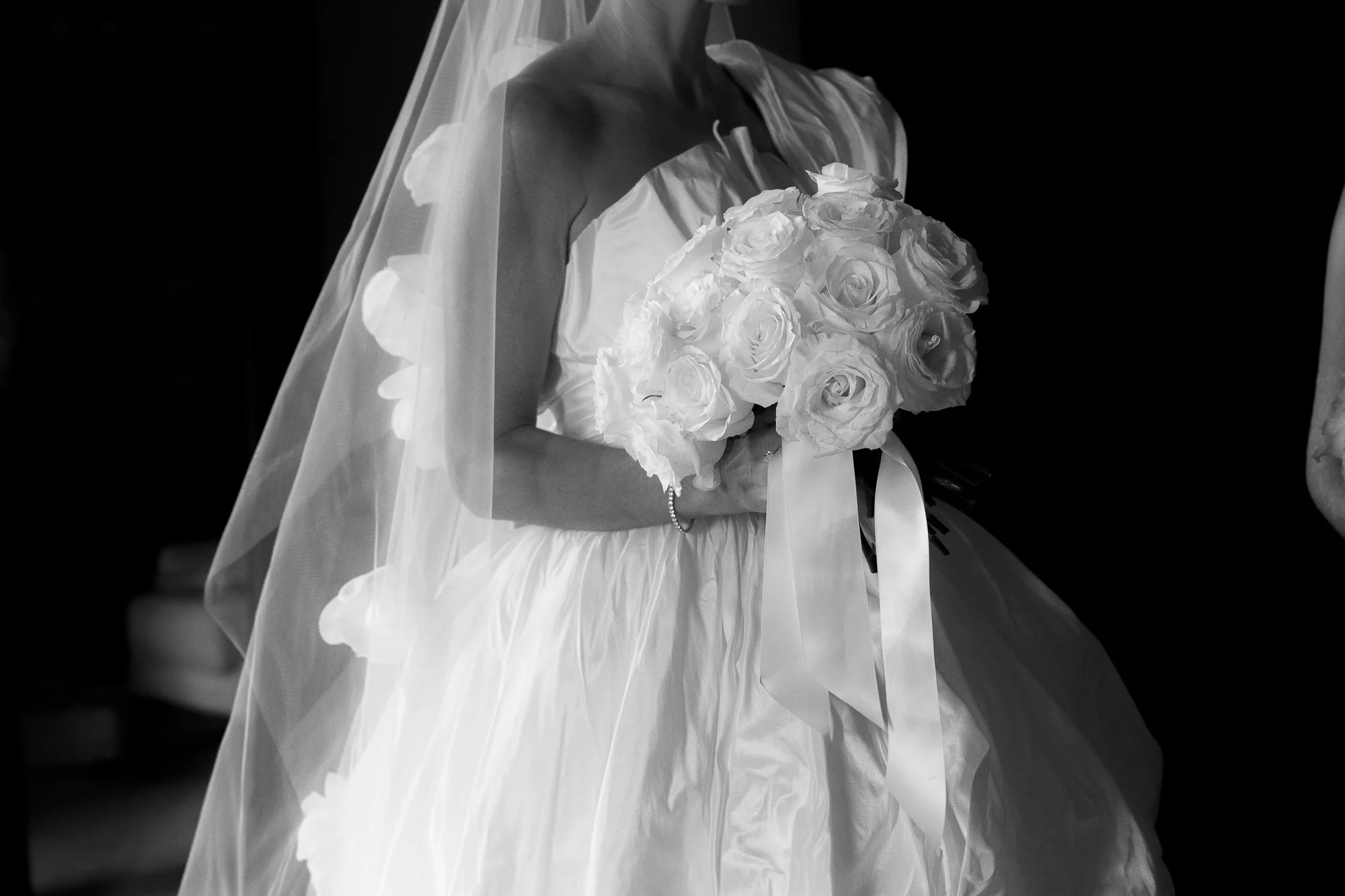
Why Hiring a Wedding Planner Elevates Your Wedding Experience
This guide is written from the perspective of an editorial wedding photographer who works closely with wedding planners across Ireland and Europe. It reflects real wedding-day experience and collaboration, not theory.
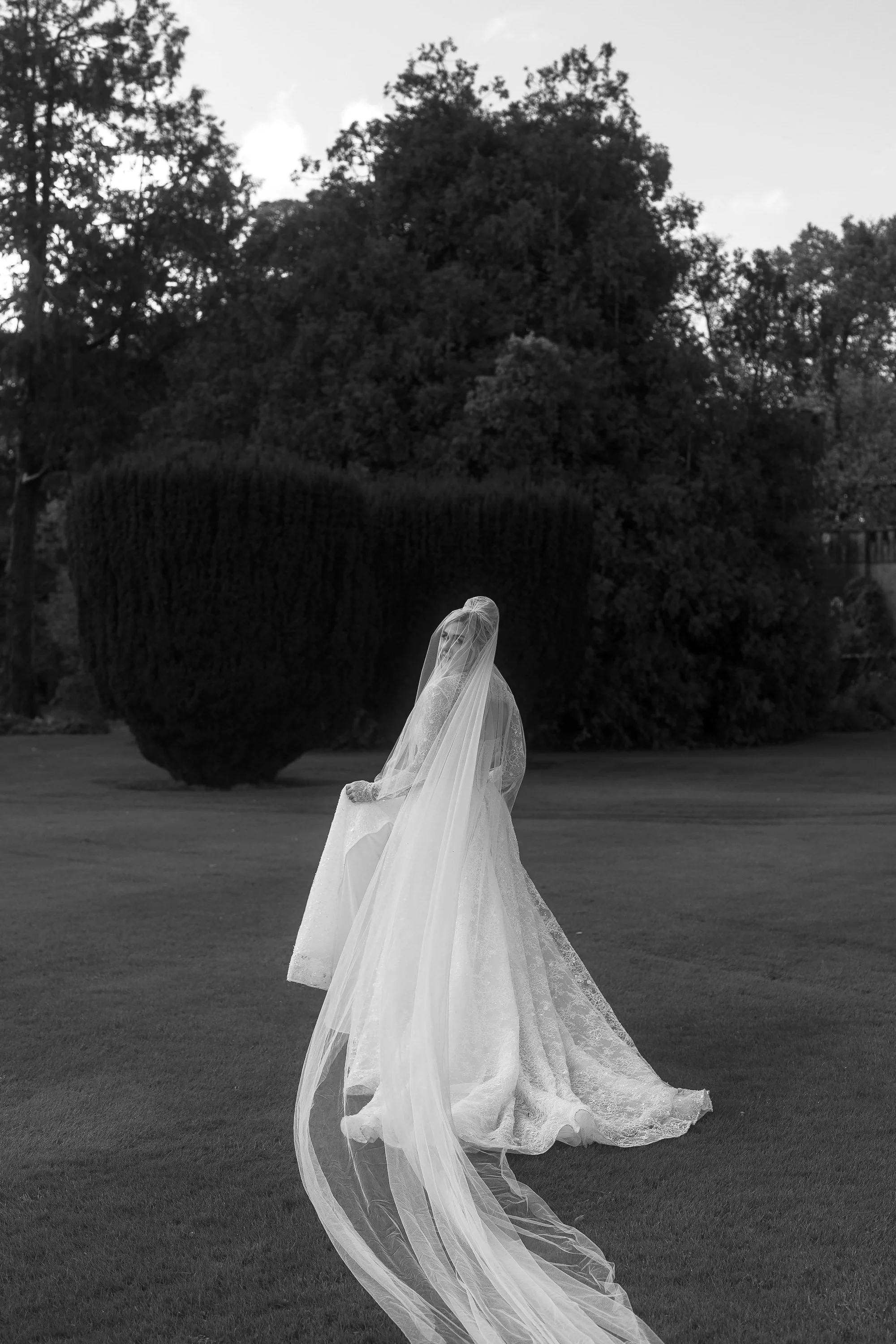
A wedding day is not only about how it looks, but how it feels to move through it. Calm, intention, and presence do not happen by chance. They are created through thoughtful planning, clear structure, and experienced guidance. This is where a wedding planner becomes invaluable.
What does a wedding planner actually do?
A wedding planner is responsible for the overall flow and experience of your wedding, from the earliest planning stages through to the final moments of the day.
Their role includes shaping the creative vision, guiding design decisions, building timelines, coordinating suppliers, managing logistics, and anticipating challenges before they arise. Most importantly, a planner protects your emotional space so you are not making decisions or solving problems on your wedding day.


Do I really need a wedding planner for my wedding?
Not every wedding requires the same level of planning support, but many couples underestimate how much mental and emotional energy a wedding day demands.
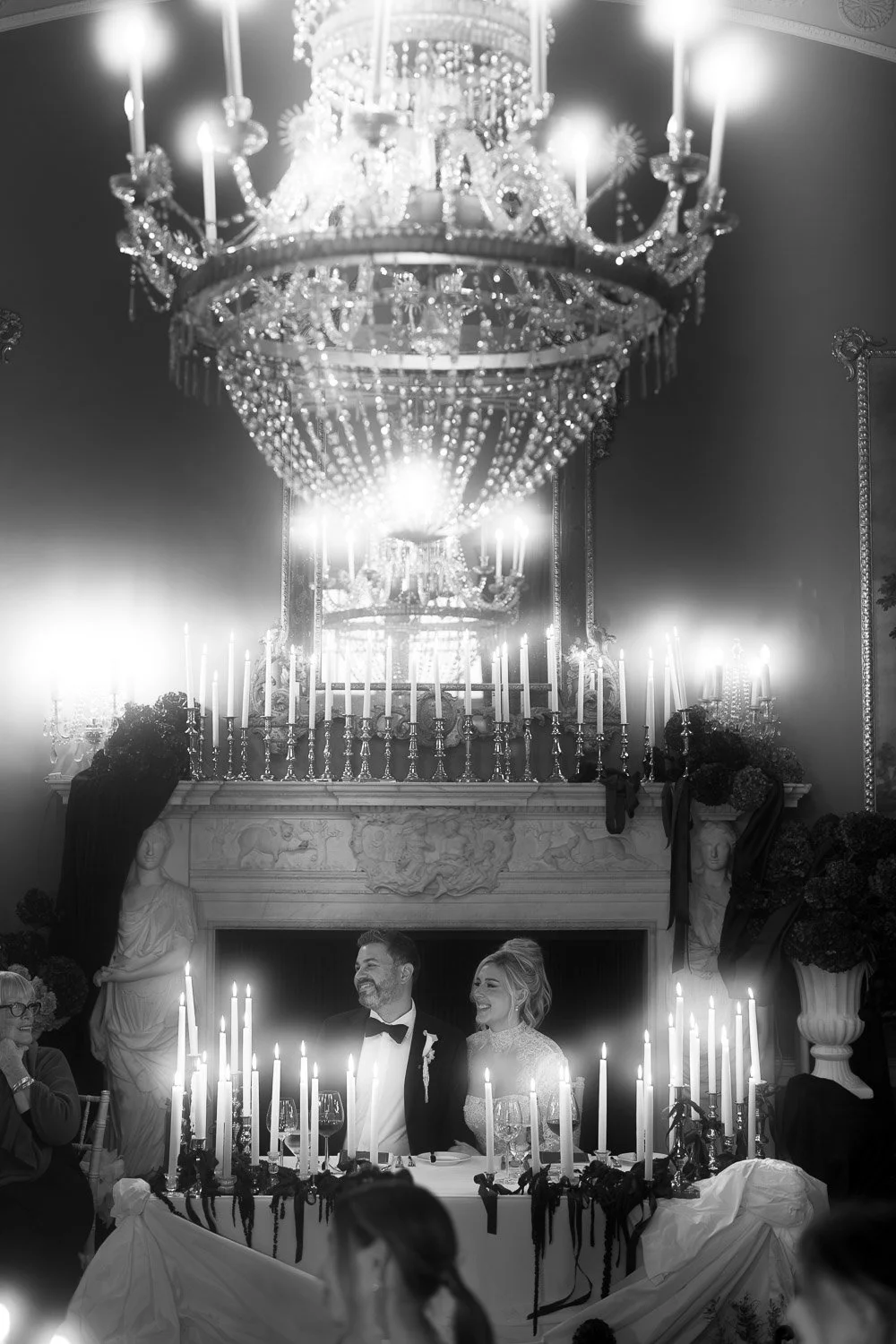
Couples who work with planners often describe feeling calmer, more present, and more connected to the day itself. Instead of managing time, people, and logistics, they are free to experience the moments that matter.
For couples who value ease, intention, and a refined experience, a planner is often one of the most impactful investments they make.
Wedding planner vs venue coordinator: what’s the difference?
These two roles are often confused, but they are not interchangeable.
A wedding planner supports the entire wedding experience. They manage timelines, suppliers, design flow, and guest experience across the whole day or weekend. Their focus is proactive and holistic.
A venue coordinator is responsible for the venue itself. They oversee catering, room setup, and operational elements within that specific location. Their role is essential, but limited to the property.
A planner designs the experience. A venue coordinator manages the space.
How a wedding planner protects your experience on the day
Wedding days move quickly. Without a planner, couples are often interrupted with questions, decisions, and logistical concerns that pull them out of the moment.
A planner absorbs those pressures. They manage timing, supplier communication, and transitions quietly, allowing the day to unfold with grace. This protection creates space for presence, emotional connection, and calm.
Presence is one of the greatest luxuries a planner gives.
Do you need a planner for an editorial or luxury wedding?
Editorial and luxury weddings benefit greatly from planning support because they rely on flow, light, timing, and emotional ease.
When a planner is present, moments are not rushed, transitions feel unhurried, and creative teams can work with intention. This allows the wedding to feel elevated without feeling staged.
For weddings where design, atmosphere, and experience matter deeply, a planner is often essential.



How wedding planners elevate editorial wedding photography
From a photographer’s perspective, planners make an enormous difference.
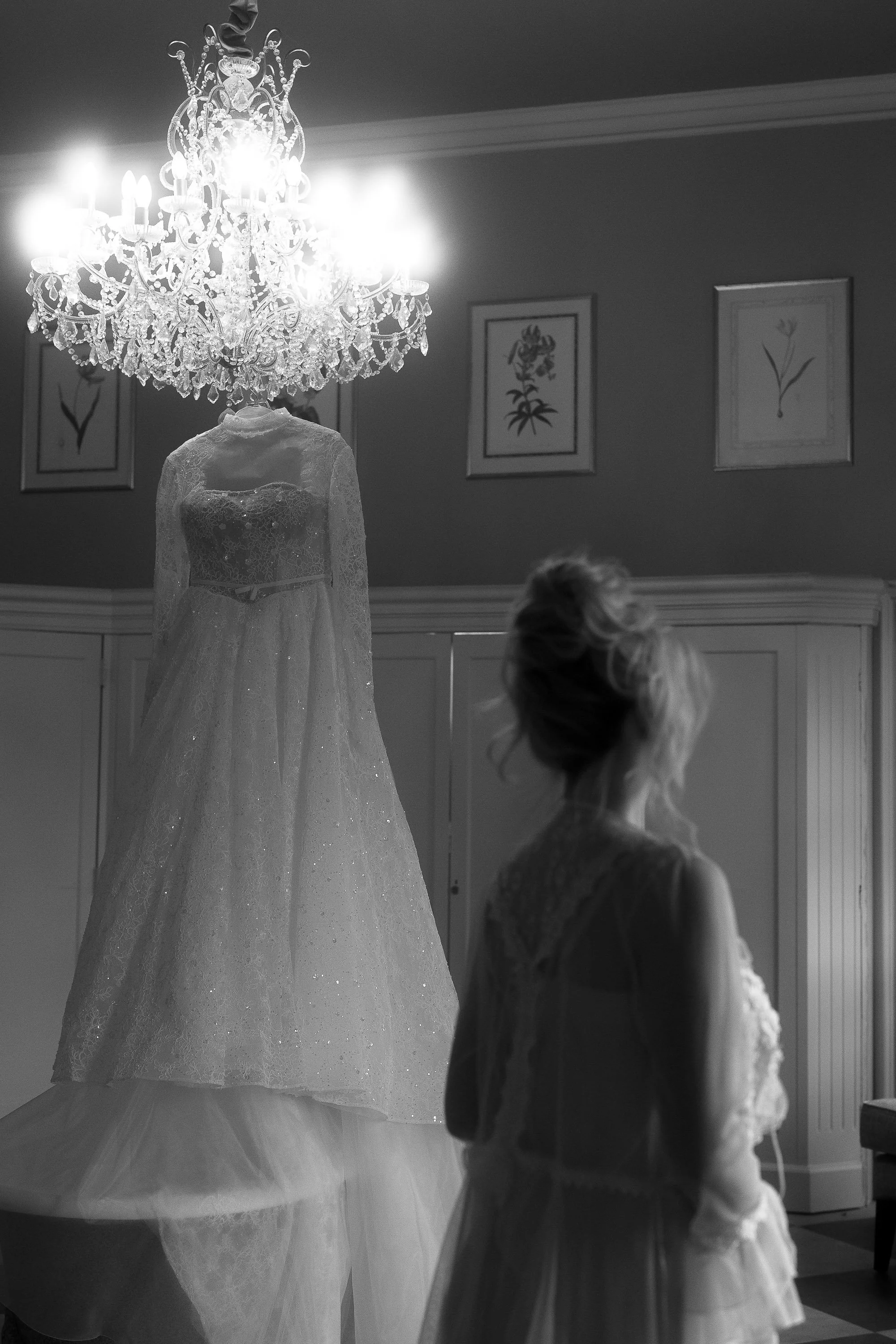
When a planner manages the structure of the day, photography is no longer reactive. Portrait time is protected. Light is respected. Moments are allowed to breathe.
The result is imagery that feels calm, refined, and emotionally grounded. When logistics are held by someone else, creative work reaches a higher level.
When hiring a wedding planner is essential
A wedding planner is especially valuable for:
destination weddings
multi-day celebrations
design-led or luxury weddings
weddings with multiple locations
couples who want to feel fully present
In these scenarios, planning support transforms the experience from overwhelming to effortless.
How to choose the right wedding planner
The right planner should feel aligned with your values and vision.
Look for someone who communicates clearly, anticipates challenges, collaborates well with creative teams, and makes you feel supported rather than managed. A planner should feel like a trusted guide, not just a coordinator.
FAQ
Is a wedding planner worth the investment?
Yes. A planner protects your time, emotional experience, and the overall flow of the day, allowing couples to be fully present rather than managing logistics.
Can a photographer replace a wedding planner?
No. A photographer captures the day, while a planner manages timelines, suppliers, and logistics. The roles are complementary and both are essential.
Do editorial weddings require a planner?
Editorial weddings benefit greatly from planners because time, light, and flow are protected, allowing imagery to feel calm, refined, and unhurried.